
In short
- March to May is the peak season for spotting Bengal tigers near waterholes.
- October to February offers cooler weather, but thicker foliage hides wildlife.
- The park remains open all year, with daily safaris at 6:30 AM and 3:30 PM.
In this article
- What is the best time to visit Bandipur Tiger Reserve?
- Why is summer the best season for tiger sightings?
- Is winter a good time to see tigers in Bandipur?
- What are the safari timings at Bandipur?
- Do safari rules or prices change during the peak summer season?
- Are tigers visible near the Kabini river boundary?
Planning a safari in Bandipur Tiger Reserve requires choosing the right season. Your chances of spotting a Bengal tiger change drastically depending on the weather and forest foliage. While winter provides comfortable temperatures, summer forces wildlife out into the open.
What is the best time to visit Bandipur Tiger Reserve?
The overall best time to visit is between October and May.
During these months, the weather is clear enough for reliable safaris. If you specifically want to see tigers, target the dry summer window from March to May. For pleasant temperatures and scenic photography, October through February is ideal.
Why is summer the best season for tiger sightings?
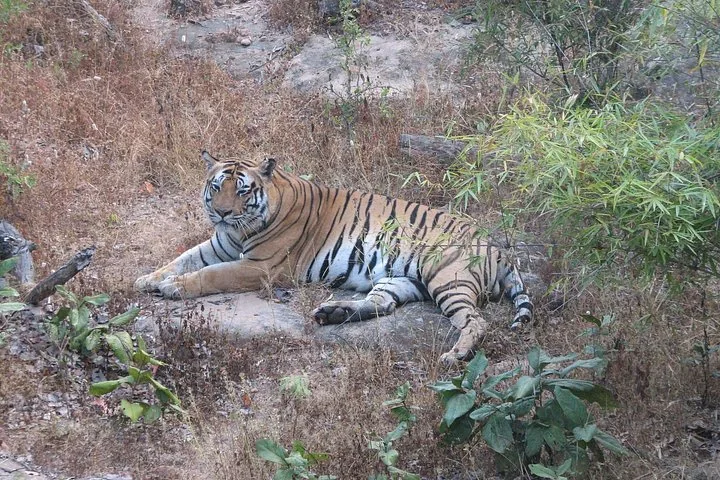
The dry summer forces tigers and elephants to gather near reliable water sources.
From March to May, the dry deciduous forests lose their leaves. This lack of dense foliage drastically improves visibility. Tigers frequently visit solar-pump restored waterholes and the Moyar River to drink. Ask your driver to pause at these water sources during your 2.5 to 3-hour safari.

Is winter a good time to see tigers in Bandipur?
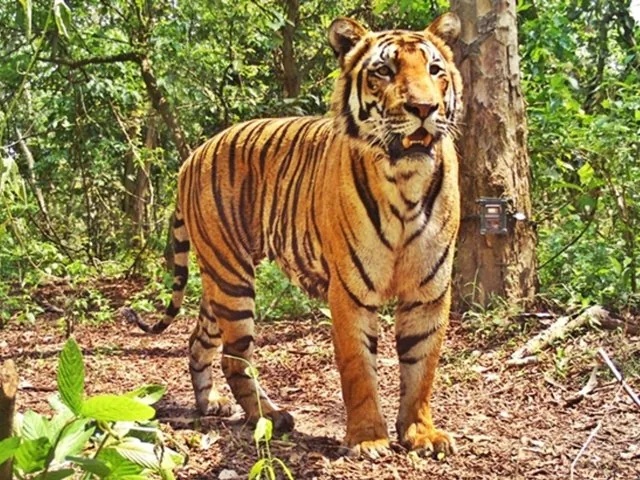
Winter is excellent for general wildlife viewing, but tiger spotting is harder.
Following the monsoons, the forest is covered in thick vegetation. This makes it easier for big cats to stay camouflaged. You will still see plenty of Asian elephants and bird species. Bring a warm fleece for the early morning 6:30 AM safaris, as temperatures drop significantly.
What are the safari timings at Bandipur?
Safaris run twice daily throughout the year.
Morning safaris depart at 6:30 AM and end at 9:00 AM. Afternoon safaris run from 3:30 PM to 6:00 PM. Book your slots online well in advance. Morning jeep seats sell out quickly during the peak summer months.
Do safari rules or prices change during the peak summer season?
Rules remain strictly enforced year-round, and you must pay the standard 2026 tariffs.
Bus safaris cost ₹1,000 for Indians and ₹2,500 for foreigners. Jeep safaris are ₹2,200 for Indians and ₹3,500 for foreigners. Mobile phones are strictly prohibited during safaris to minimize wildlife disturbance. Bring a DSLR camera with a strong telephoto lens instead.
Are tigers visible near the Kabini river boundary?
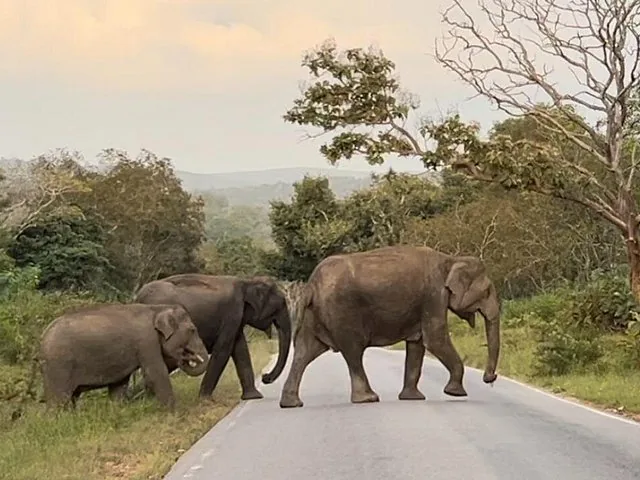
Yes, the Kabini reservoir draws significant wildlife during dry months.
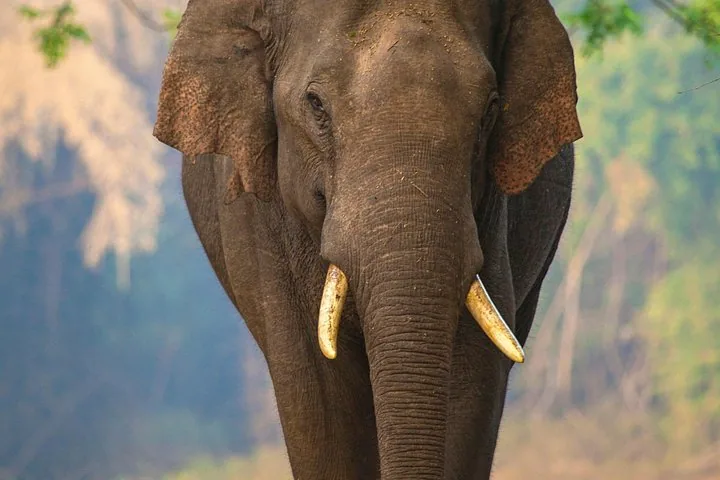
This northern boundary reservoir separates Bandipur and Nagarhole. As smaller water sources dry up in summer, herds of Asiatic elephants and big cats move toward the riverbanks. For more details on comparing these areas, see our guide on Compare the Parks.
Questions travellers ask
Are there tigers in Bandipur?
Yes, Bandipur boasts one of the densest populations of Bengal tigers in India. It forms a massive contiguous forest alongside Nagarhole, Mudumalai, and Wayanad reserves.
Can we book Bandipur safari on the spot during peak season?
Spot booking might be available for bus safaris, but morning jeep slots sell out rapidly. Always book online well in advance for dates between March and May.
What should I wear for a summer safari in Bandipur?
Wear lightweight, breathable cotton clothing in earthy tones like green, brown, and khaki. Bring high SPF sunscreen, a wide-brimmed sun hat, and a dust mask for the off-road trails.